
Are you an early bird or a night owl? Do you prefer the pool or the beach? Coffee or tea?
As ABA’s award-winning consumer education campaign #BanksNeverAskThat points out, banks would never ask a customer these questions. Nor would banks ever ask for a PIN, account number or other personal identifying information in an unsolicited call or message.
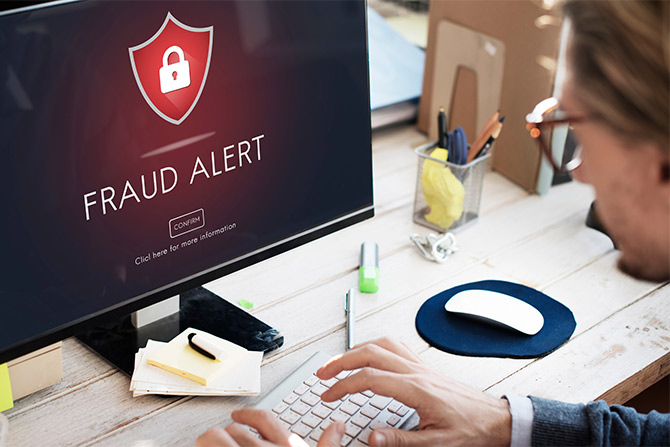
What banks are asking for, however, is for the government to take a more comprehensive approach to fighting fraud and scams. With fraud losses among Americans now estimated to exceed $12 billion annually, and with scams becoming more sophisticated every day due to the evolution of AI and other technologies, it will take a coordinated effort to combat this dangerous threat.
Over a year ago, I called on Congress and the administration to establish an Office of Scam and Fraud Prevention — within the Executive Office of the President — to coordinate interagency efforts, streamline consumer reporting processes, and develop a national scam and fraud prevention strategy encompassing both the public and private sectors.
But we also need other industries — especially the telecom sector — to step up and do their part. Scammers use call spoofing, deceptive text messages and fake social media accounts to conduct a staggering number of fraudulent exchanges, and regulations around telecom providers are lacking. ABA has advocated for stronger laws to prevent illegal spoofing, enhanced standards for voice service providers to help consumers identify potentially fraudulent calls, and the establishment of a customer-reported database of scam text messages, which would enable businesses to monitor fraudulent texts being sent on their behalf.
As we continue to advocate for more comprehensive rules for telecoms and other entities, banks continue to do their part to protect their customers from the financial and psychological harm caused by fraud. ABA has played a leadership role in recent years to arm bankers with the tools and resources they need to help protect their customers.
We’ve established the ABA Fraud Contact Directory, which enables banks to more quickly resolve fraudulent check claims for their customers and identify contacts at other banks to help stop fraudulent transfers of funds.
Earlier this year, we also rolled out exclusive ABA member access to check payee verification through the Treasury Check Verification System. This tool has already been used to validate over half a billion dollars’ worth of checks.
And this past October, ABA was proud to bring back our award-winning consumer education campaigns — #BanksNeverAskThat and #PracticeSafeChecks — both of which aim to increase consumer awareness about common fraud and scam tactics. These campaigns were updated with new content that banks can access and share for free.
I hope you’ll join the thousands of banks across America who have already signed up to participate in this campaign. Your engagement will help us spread this valuable knowledge far and wide, protecting the livelihoods of millions of Americans from fraudsters.
The fraud threat is ever evolving, but consumers can count on America’s banks to have their back.
Email Rob at nichols@aba.com.